


Warehouse material handling efficiency directly determines the daily operation profit and operation safety of the entire logistics system. Many enterprise managers only focus on the initial purchase price when selecting handling equipment, ignoring load capacity matching, battery durability, chassis stability and later maintenance costs, which often leads to frequent equipment failures, low handling speed and hidden safety hazards in daily work. Most ordinary electric pallet trucks cannot adapt to long-time continuous operation, frequent high-frequency loading and unloading, uneven ground environment and heavy cargo stacking scenarios, causing unnecessary downtime and additional maintenance expenses that seriously affect warehouse scheduling efficiency. Choosing a high-quality electric pallet jack can fundamentally solve these pain points and optimize the whole process of warehouse inbound, outbound, transfer and stacking operation.
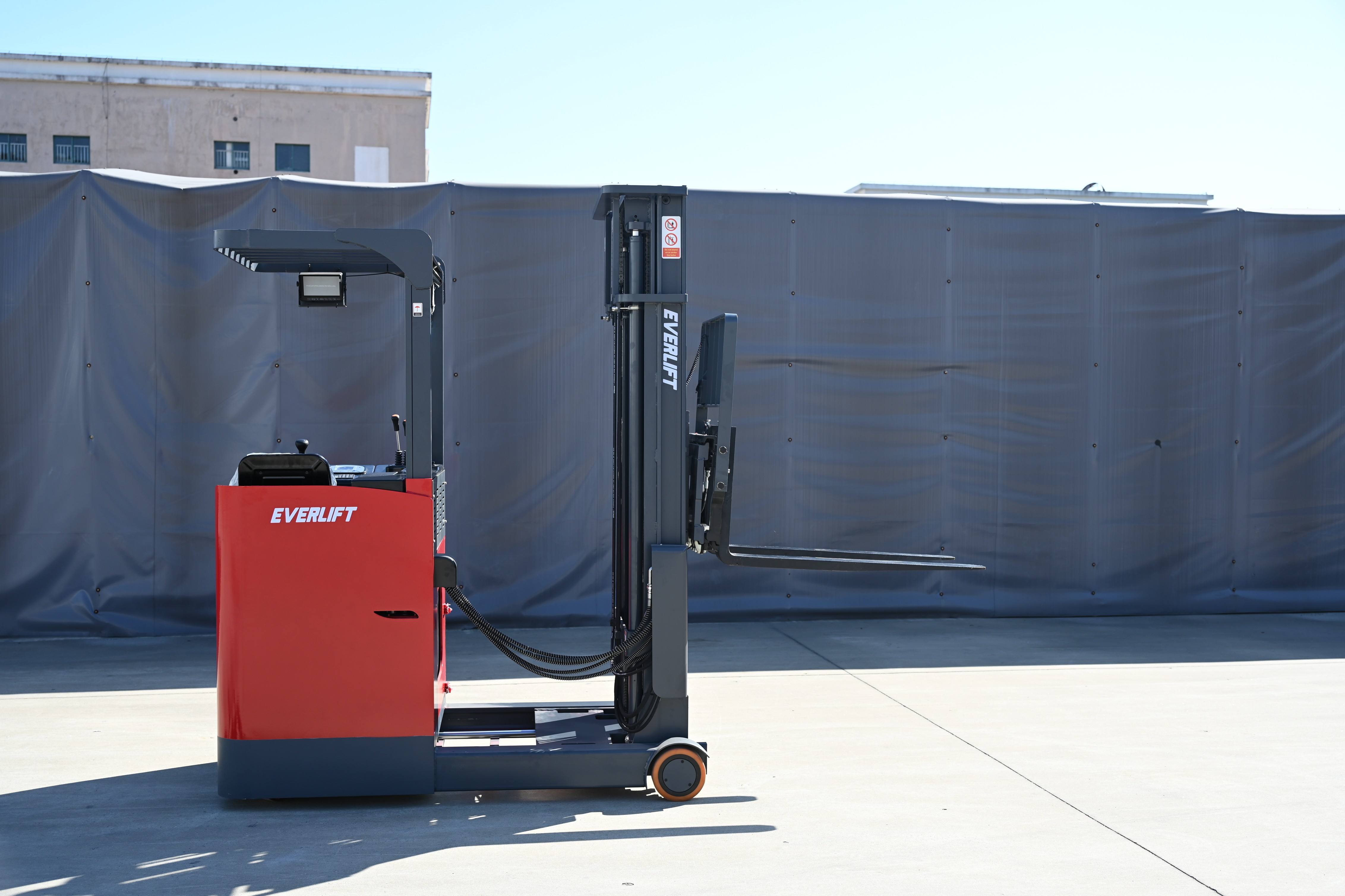
The most overlooked hidden problem in daily pallet truck use is uneven force bearing of the fork frame and body deformation after long-term overload operation. Low-cost inferior equipment adopts thin steel plate welding process, which is easy to bend, crack and loosen after repeated heavy load handling. Once the fork deforms, it will cause cargo slipping, pallet offset and accidental collision accidents, endangering personnel safety and intact goods. Professional heavy-duty electric pallet trucks adopt integrated thickened structural steel, overall precision welding and stress reinforcement design, which maintain stable performance under frequent full-load operation and avoid permanent structural damage caused by long-time high-intensity work. Reliable equipment structure can greatly extend service life and reduce unexpected shutdown losses caused by mechanical faults.
Battery endurance and charging performance are core hidden demands that users rarely pay attention to in the early stage of use. Many cheap electric pallet jacks are equipped with low-density ordinary lead-acid batteries, which have short continuous working time, fast capacity attenuation, frequent charging and large self-discharge phenomenon. In busy peak logistics seasons, insufficient battery power directly interrupts continuous handling work, delays cargo turnover progress and improves labor cost consumption. High-performance lithium battery configuration supports long-time uninterrupted operation, fast charging cycle, low energy loss and stable power output, perfectly matching multi-shift 24-hour warehouse continuous operation requirements and adapting to frequent large-volume cargo transportation scenarios.
Operation flexibility and ground adaptability determine the actual applicable scope of pallet handling equipment. Narrow warehouse passages, stacked dense cargo areas, slightly rough concrete ground and indoor and outdoor mixed operation environments all put strict requirements on wheel design, steering system and body turning radius. Ordinary pallet trucks have inflexible steering, large turning dead angle and poor shock absorption effect, which cannot pass narrow channels smoothly and are easy to shake when carrying heavy objects. Optimized steering structure, wear-resistant high-strength polyurethane wheels and low-center-of-gravity body design greatly improve passing performance, reduce operation resistance and ensure stable and smooth handling under complex site conditions.
Long-term post-maintenance difficulty and spare parts matching cost are deep operational costs ignored by most purchasers. A large number of inferior handling equipment have non-standard parts, scattered maintenance channels, high repair fees and long maintenance waiting period. Once key parts such as motor, hydraulic system and control panel fail, the whole vehicle stops working for a long time. Everlift Material Handling Equipment adopts unified standardized production parts, mature hydraulic lifting system and stable brushless motor control, with simple daily maintenance, low fault rate, convenient spare parts replacement and professional after-sales maintenance support, effectively reducing the whole-life cycle use cost of warehouse handling equipment.
Common Faults & Root Causes Of Low-Quality Electric Pallet Jack
| Fault Phenomenon | Surface Reason | Deep Fundamental Problem | Long-Term Negative Impact |
|---|---|---|---|
| Slow cargo lifting speed | Insufficient oil volume | Poor hydraulic pump sealing & unreasonable pipeline design | Reduced handling efficiency, gradual hydraulic system failure |
| Short battery working hours | Low remaining power | Low battery cell quality & unreasonable power management circuit | Frequent charging, shortened battery service life sharply |
| Unstable driving & shaking body | Uneven ground | Thin body frame, poor wheel wear resistance | Easy cargo falling, increased safety accident risk |
| Heavy steering operation | Lack of lubrication | Unreasonable steering shaft structure & low matching precision | High labor intensity, easy operator fatigue and misoperation |
| Frequent motor overheating | Long-time continuous use | Low motor power configuration & poor heat dissipation structure | Motor burnout, high replacement cost and long downtime |
Different warehouse scenarios have completely different matching requirements for electric pallet jack parameters. Small e-commerce warehouses with light cargo weight and small daily turnover only need conventional load specifications, while large logistics warehouses, factory workshops, bulk cargo warehouses and cold storage environments require higher load grade, low-temperature resistance, anti-corrosion performance and continuous operation ability. Blindly selecting universal equipment will cause either load surplus waste or insufficient load capacity overload operation. Professional customized parameter configuration can achieve precise matching between equipment performance and actual working conditions, balance purchase cost and use efficiency, and avoid resource waste and safety risks caused by mismatched models.
Hydraulic lifting safety protection is an easily ignored key safety design index. Qualified industrial electric pallet jacks are equipped with overload protection, automatic pressure relief, anti-falling locking and emergency braking functions. When the cargo exceeds rated load or the lifting height is abnormal, the system automatically restricts action to prevent collapse accidents. Unqualified products cancel safety protection functions to reduce costs, rely entirely on manual operation judgment, and greatly increase the probability of cargo collapse, body tipping and personal injury accidents. Standard safety protection design runs through the whole lifting and driving process, protecting operators, goods and warehouse facilities comprehensively.
Overall operating cost calculation cannot only count initial purchase price. Actual expenditure includes battery replacement cost, daily maintenance fee, vulnerable parts consumption, labor efficiency loss caused by faults and safety accident compensation cost. Although low-price equipment has low upfront investment, high fault frequency and short service life make the comprehensive annual use cost far higher than high-quality durable equipment. Long-term bulk warehouse operation must calculate full-cycle cost performance, select stable and low-failure electric pallet trucks, and realize sustainable low-cost efficient material handling management.
In summary, selecting a suitable electric pallet jack is not a simple commodity purchase behavior, but a systematic configuration plan related to warehouse operation safety, work efficiency and enterprise comprehensive operating cost. Clarify deep hidden demands such as structural durability, battery stability, scene adaptability, maintenance convenience and safety protection, avoid being misled by superficial low price, and select professional standardized heavy-duty handling equipment, which can continuously improve warehouse logistics operation level and create stable long-term economic benefits for enterprise production and circulation.